
When You Feel Better, Your Whole Family Feels It Too

Updated: Jun 10
Why So Many Moms Put Themselves Last (And What It’s Costing You)
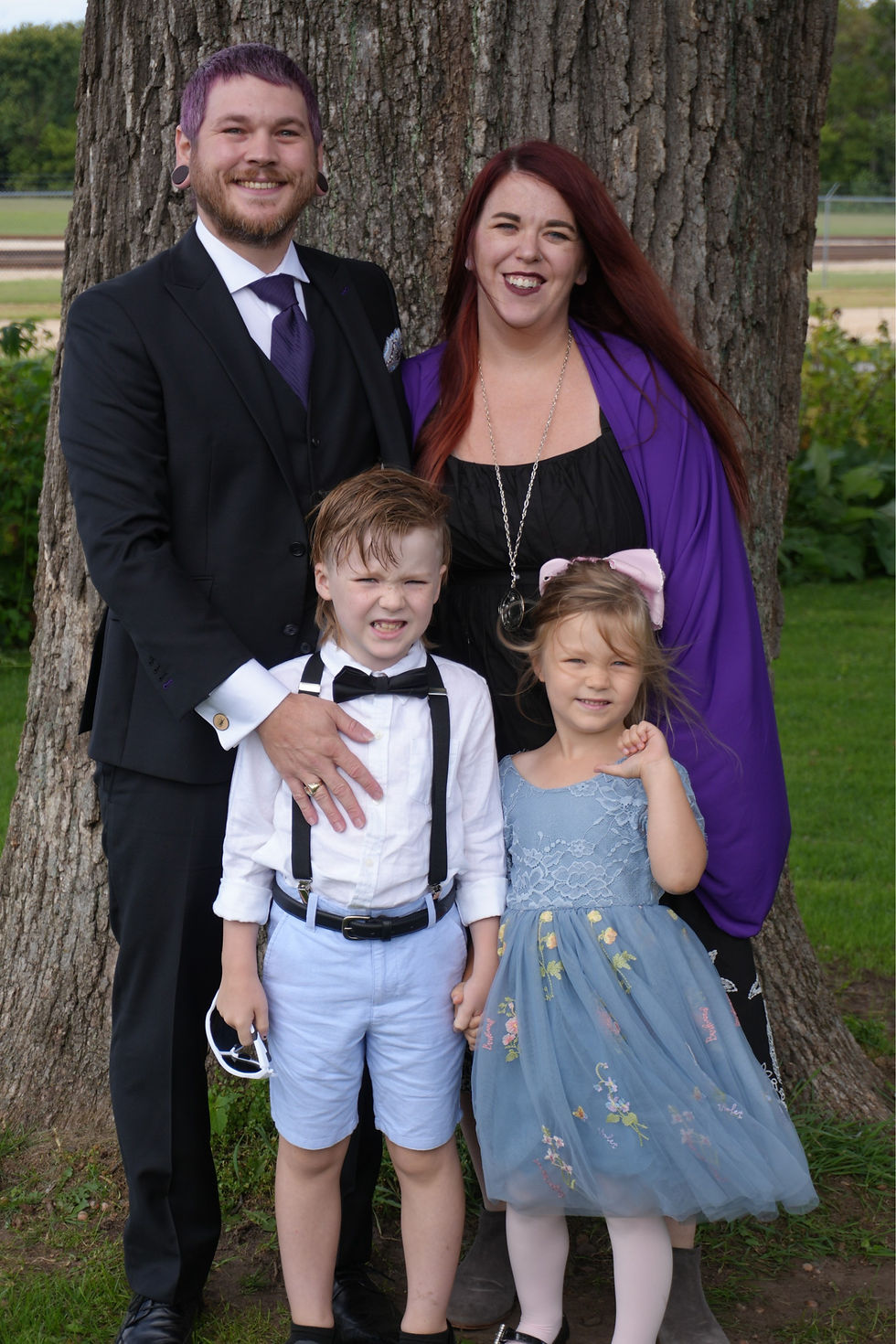
Summer is full of fun, chaos, and constant motion. You’re driving, lifting, organizing, planning—and making sure everyone else is taken care of.
But somewhere in all of that…
👉 your body starts to take the hit.
By the time school rolls around, many moms come into our office saying:
“My shoulders are constantly tight.”
“My jaw has been aching or clicking.”
“I’ve had more headaches lately.”
“I just feel off.”
If that sounds like you—you’re not alone. And more importantly…
👉 you don’t have to stay that way.
The Hidden Tension Most Moms Carry
It’s Not Just Your Back—It’s Your Whole System
What I see every day in the office isn’t just “back pain.” It’s layers of tension built up over time:
Tight neck and shoulders from stress and posture
Jaw clenching (especially at night)
Headaches that seem to come out of nowhere
Fatigue that doesn’t go away with rest
And here’s what many people don’t realize:
👉 Your muscles, joints, and nervous system are all connected.
When one area is overloaded—your body compensates everywhere else.
Why Back-to-School Season Is the Perfect Time to Reset
Your Body Finally Gets a Chance to Breathe
When kids go back to school, your schedule shifts. You finally have:
Quiet time
Breathing room
A chance to focus on yourself
And this matters more than most people think.
👉 Because your health sets the tone for your entire household.
When you feel better through Family Chiropractic care, you have more patience, more energy, and more capacity to handle stress.
Step 1: Pay Attention to the Tension Signals
Your Body Is Talking—Are You Listening?
Most of the patients I see ignored symptoms for weeks or months before coming in. Look for early signs like:
Tightness in your shoulders or upper back
Jaw soreness, clicking, or clenching
Headaches (especially tension headaches)
Feeling stiff or “locked up”
💡 What I tell patients: Tension doesn’t just go away—it builds until your body forces you to deal with it.
Step 2: Address Muscle Tension (Not Just the Spine)
Why Muscle Work Changes Everything
One of the biggest differences in how I approach care is focusing on the muscles first—especially in areas like the neck, shoulders, and jaw.
At Oasis, we use:
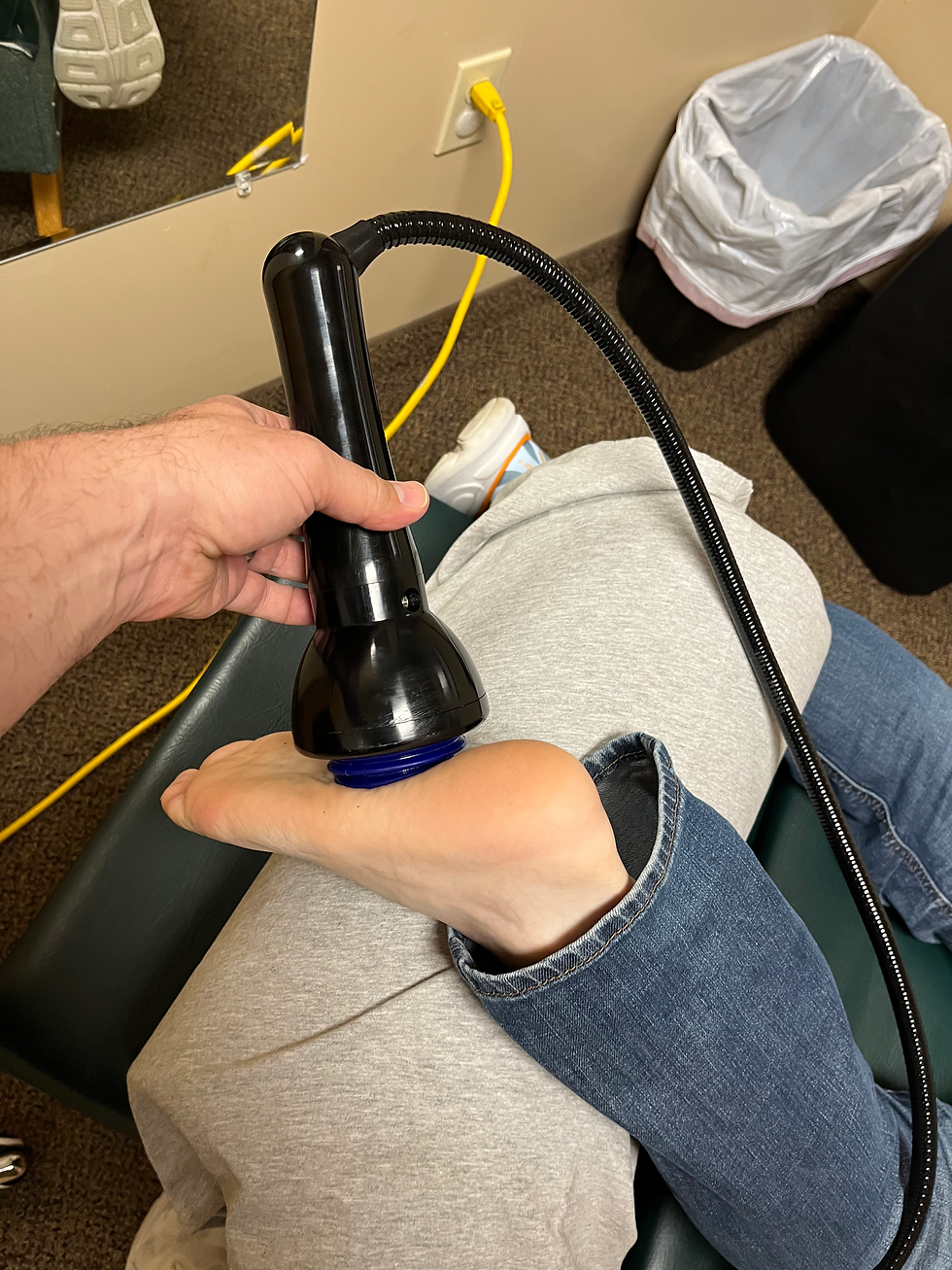
Instrument-assisted muscle work (IASTM / scraping)
Targeted soft tissue therapy
TMJ-specific muscle release (including internal work when needed)
👉 This helps:
Break up tight, restricted tissue
Improve movement
Reduce pain faster
Allow Chiropractic Adjustments to hold longer
Because here’s the truth: 👉 If the muscles stay tight, the problem keeps coming back.
Step 3: Don’t Ignore Jaw Tension (TMJ)
One of the Most Overlooked Sources of Pain
A lot of moms don’t realize how much stress they carry in their jaw. Common signs:
Clicking or popping
Pain when chewing
Clenching or grinding teeth
Headaches around the temples
👉 The jaw is directly connected to your neck and nervous system. When we address TMJ dysfunction, headaches often improve and neck tension decreases.
Step 4: Reset Your Nervous System
Stress Lives in the Body
Stress isn’t just something you feel mentally—it shows up physically through tight muscles, shallow breathing, and increased tension patterns. Our Full Scale Chiropractic approach helps:
Restore proper communication in the nervous system
Reduce tension patterns
Help your body shift out of “fight or flight”
👉 Many patients say they feel calmer, looser, and more balanced after care.
Step 5: Build a Simple Routine That Supports You
You Don’t Need More Time—You Need Better Habits
Start small:
Schedule your chiropractic visits ahead of time
Take 5–10 minutes to stretch daily
Be aware of jaw clenching throughout the day
Focus on posture during daily activities (see our Prenatal & Pediatric Care for more family wellness tips).
👉 Consistency is what creates real change.
What Happens When You Finally Take Care of Yourself?
This is my favorite part to watch as a doctor. When moms start feeling better, everything shifts: less pain, better sleep, fewer headaches, and more patience with their kids.
And the biggest impact? 👉 Your family feels the difference immediately.
Final Thoughts: You Deserve to Feel Good Again
You’ve spent the summer taking care of everyone else. Now it’s your turn. Not because it’s a luxury—👉 but because it’s essential. When your body is working the way it should, everything in your life becomes easier.
📢 Ready to Release the Tension and Reset Your Body?
Moms, stop pouring from an empty cup. At Oasis Chiropractic PA in Cottage Grove, we specialize in helping you reduce muscle tension, address TMJ pain, and feel more in control of your health. Let’s get you feeling like yourself again so you can lead your family with energy and ease.
Call or Text: 651-458-5565
Visit us: https://www.cottagegrovechiro.com
About the Author

Dr. Makenzie Steenerson, DC specializes in muscle-focused chiropractic care, including instrument-assisted soft tissue work and TMJ treatment. She is passionate about helping patients reduce tension, improve movement, and restore balance in their bodies.
FAQs
1. What makes your approach different from traditional chiropractic care?
I focus heavily on muscle work in addition to adjustments, which helps create longer-lasting results.
2. Can you help with jaw pain or TMJ issues?
Yes—this is one of my specialties, including internal muscle work and gentle jaw adjustments.
3. Why do my headaches keep coming back?
Often, it’s due to underlying muscle tension or jaw dysfunction that hasn’t been addressed.
4. Does muscle scraping hurt?
It can feel intense at times, but most patients describe it as a “good hurt” and feel relief quickly after.
5. How do I know if I’m clenching my jaw?
Common signs include tightness, soreness, or headaches—especially in the morning.
6. How often should I come in?
Most patients start with a more frequent schedule and then transition to maintenance or wellness care.


Comments