What Is Shockwave Regenerative Therapy?

Updated: Jul 23

If you've been dealing with chronic pain, stubborn injuries, tendon irritation, plantar fasciitis, shoulder discomfort, or joint stiffness that just won't improve, you may have heard about shockwave therapy.
But what exactly is OmniWave Shockwave Therapy, and how does it work?
At Oasis Chiropractic in Cottage Grove, Minnesota, we are excited to offer OmniWave Shockwave Regenerative Therapy as a non-surgical treatment option designed to support recovery, improve circulation, encourage tissue activity, and help patients stay active.
Many people are looking for alternatives to medications, injections, or surgery. Shockwave therapy has become increasingly popular because it is designed to support the body's natural recovery processes rather than simply masking symptoms.
In this article, we'll explain:
What OmniWave Shockwave Therapy is
How shockwave therapy works
Conditions it may help support
What treatment feels like
Why athletes and active adults are using it
What to expect during treatment
How regenerative shockwave therapy may support recovery and mobility
What Is OmniWave Shockwave Regenerative Therapy?
OmniWave Shockwave Regenerative Therapy is an advanced treatment that uses high-energy acoustic waves to stimulate tissue activity in targeted areas of the body.
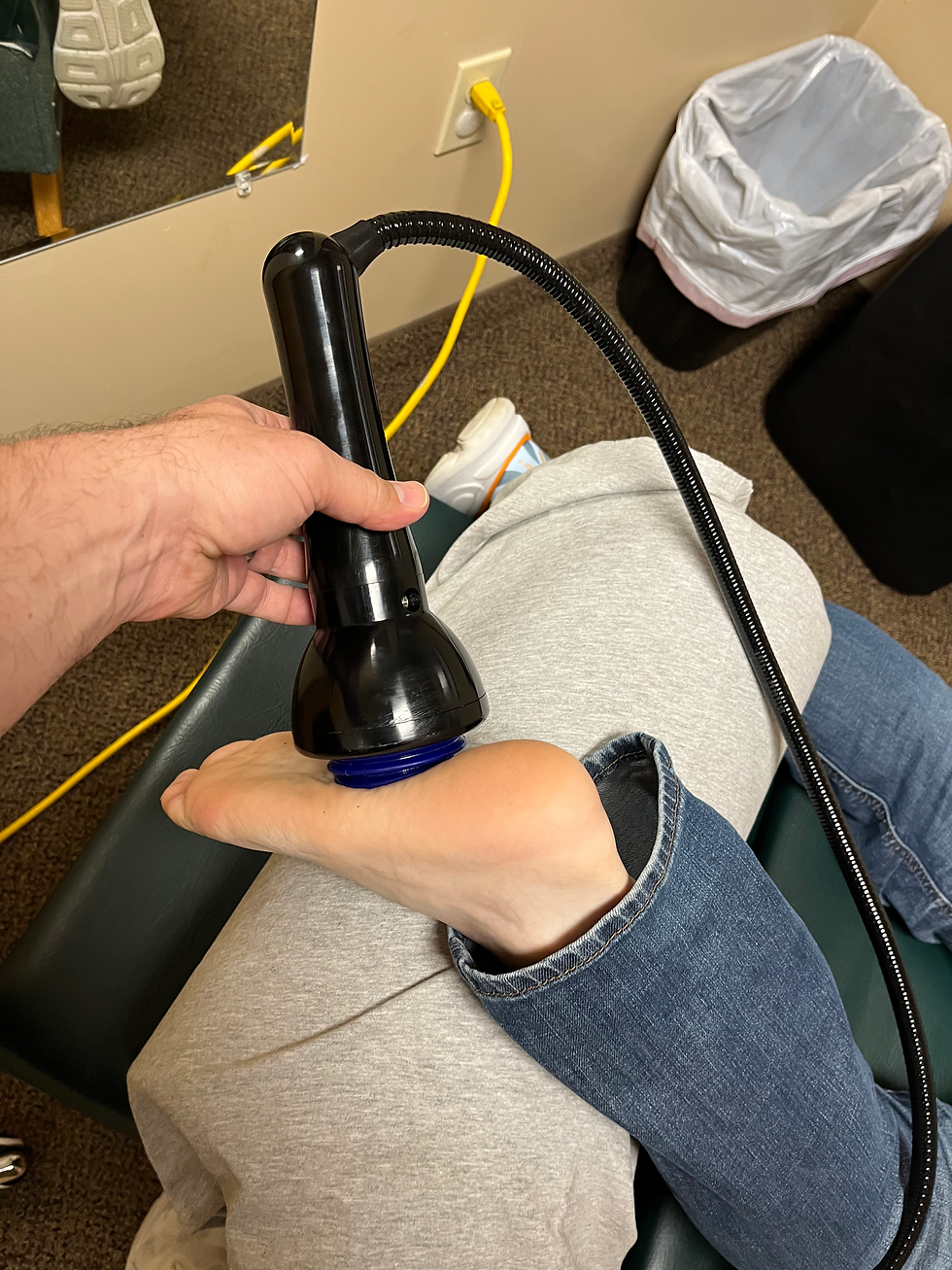
These sound waves are delivered through a handheld device over the affected tissue.
The therapy is designed to:
Support circulation
Encourage tissue activity
Improve blood flow
Support collagen production
Promote mobility and flexibility
Support recovery of tendons, ligaments, muscles, and joints
Unlike treatments that focus only on temporary symptom relief, regenerative shockwave therapy is intended to support the body's natural repair and recovery processes.
This therapy is commonly used to help manage:
Chronic tendon irritation
Plantar fasciitis
Shoulder discomfort
Tennis elbow
Golfer's elbow
Achilles tendon irritation
Knee discomfort
Hip tightness
Scar tissue restrictions
Muscle tightness
Overuse injuries
How Does Shockwave Therapy Work?
Shockwave therapy uses mechanical acoustic waves that travel through the tissue.
These waves create controlled stimulation in the affected area, which may help:
Encourage circulation
Support cellular activity
Promote collagen production
Improve tissue mobility
Support recovery processes
Reduce tissue stiffness
Collagen is an important structural component of tendons, ligaments, cartilage, and connective tissues. Supporting healthy collagen production may help improve tissue quality and function over time.
Some research suggests shockwave therapy may also help support healthy movement and comfort in chronically irritated tissues.
Why Do Chronic Injuries Often Take Longer to Improve?
Many chronic injuries involve tissues with limited blood supply.
Tendons, ligaments, and fascia often recover more slowly because they receive less circulation compared to muscles. This may contribute to:
Persistent discomfort
Tightness
Reduced mobility
Tissue irritation
Scar tissue buildup
Repetitive overuse problems
Shockwave therapy is designed to support circulation and tissue activity in these areas.
This is one reason athletes and active adults are increasingly exploring regenerative therapies to support recovery and performance. Our Sports & Performance Care program is built around this same philosophy — supporting the body's recovery so patients can stay active and perform at their best.
What Conditions Is Shockwave Therapy Commonly Used For?
Plantar Fasciitis
Plantar fasciitis is one of the most common conditions treated with shockwave therapy.
People with plantar fasciitis often experience:
Sharp heel discomfort in the morning
Tightness in the foot or calf
Pain after activity
Chronic irritation in the plantar fascia
Shockwave therapy may help support circulation and tissue mobility in the affected area.
Shoulder Pain and Rotator Cuff Irritation
Shockwave therapy is commonly used to support patients experiencing:
Rotator cuff irritation
Shoulder impingement
Calcific tendinitis
Chronic shoulder tightness
The therapy may help support tissue function and mobility in chronically irritated tendons.
Tennis Elbow and Golfer's Elbow
These conditions involve repetitive stress and irritation of the forearm tendons.
Shockwave therapy may help:
Support circulation
Improve tissue mobility
Reduce stiffness
Support recovery processes
Many patients use shockwave therapy alongside rehab exercises and activity modification.
Achilles Tendon Irritation
The Achilles tendon handles significant force during walking, running, and sports activities.
Shockwave therapy may help support tissue recovery and flexibility in patients dealing with chronic Achilles tendon irritation.
Knee Discomfort
Shockwave therapy is often used around:
Patellar tendon irritation
Quadriceps tendon tightness
Chronic overuse conditions
Athletes frequently use regenerative therapies as part of a broader recovery and mobility strategy.
Scar Tissue and Muscle Tightness
Shockwave therapy may also help:
Improve tissue mobility
Reduce movement restrictions
Support flexibility
Improve soft tissue movement
This can be especially beneficial after repetitive overuse or previous injuries. For patients whose recovery also involves spinal alignment and nervous system support, our Chiropractic Adjustments complement shockwave therapy as part of a complete care plan.
What Does Shockwave Therapy Feel Like?
Most patients describe shockwave therapy as:
A tapping sensation
Pulsing pressure
Mild to moderate discomfort over sensitive areas
Some tissues may feel more sensitive depending on the level of irritation present.
Treatment sessions are typically short and often last 5–15 minutes depending on the area treated.
Most patients tolerate treatment very well.
If you’re exploring natural ways to support recovery, it may also help to understand how chiropractic care supports athletic performance and why active adults often use chiropractic care to stay mobile. For deeper whole-body support, you may also want to read about holistic root-cause care.
How Many Shockwave Therapy Sessions Are Typically Recommended?
Every patient is different.
Treatment recommendations depend on:
The severity of the condition
How long symptoms have been present
Activity level
Overall tissue health
Individual goals
Many treatment plans involve multiple sessions spaced over several weeks.
Shockwave Regenerative Therapy: Is It Right for You?
What Is Shockwave Regenerative Therapy? — OmniWave Shockwave Regenerative Therapy offers a non-surgical, non-injection option for patients dealing with chronic tendon irritation, plantar fasciitis, shoulder discomfort, and other stubborn soft tissue conditions. By supporting circulation, collagen production, and tissue activity, it is designed to work with the body's natural recovery processes — not against them. If you've been managing chronic pain without lasting results, shockwave therapy may be worth exploring as part of a broader, personalized care plan.
💥 Chronic Pain Doesn't Have to Be Permanent.
If you've been dealing with the same tendon pain, heel discomfort, or joint stiffness for months — and nothing has given you lasting relief — it may be time to try something different.
OmniWave Shockwave Regenerative Therapy at Oasis Chiropractic is designed to go beyond symptom management and support your body's actual recovery. Non-surgical. Non-injection. And built around getting you back to doing what you love.
🌐 Book online: www.cottagegrovechiro.com
📞 Call us: 651-797-3262
📍 Cottage Grove, MN — and virtual consultations available
Support your recovery the right way — naturally, strategically, and without surgery.
FAQ
Is shockwave therapy painful?
Most patients feel pressure or mild discomfort during treatment, but the intensity can usually be adjusted based on comfort and sensitivity.
How long does a shockwave therapy session take?
Treatment time varies by condition and treatment area, but sessions are generally relatively brief.
How many shockwave therapy sessions will I need?
The number of sessions depends on the condition, how long it has been present, and how the body responds to care.
Can shockwave therapy help plantar fasciitis?
Shockwave therapy is commonly used to support stubborn soft-tissue conditions, including plantar fasciitis and chronic heel pain.
Do I need a consultation before treatment?
Yes. A consultation helps determine whether shockwave therapy is appropriate for your symptoms, health history, and treatment goals.
About the Author

Dr. Eric Hahn, D.C. Oasis Chiropractic PA — Cottage Grove, Minnesota


Comments